Book Appointment Now

Understanding Your Diagnostic Imaging Options: A Guide for Patients
Discover the different diagnostic imaging options—MRI, CT, X-Ray—and how they help in accurate diagnosis. Empower your health journey.
Introduction to Diagnostic Imaging
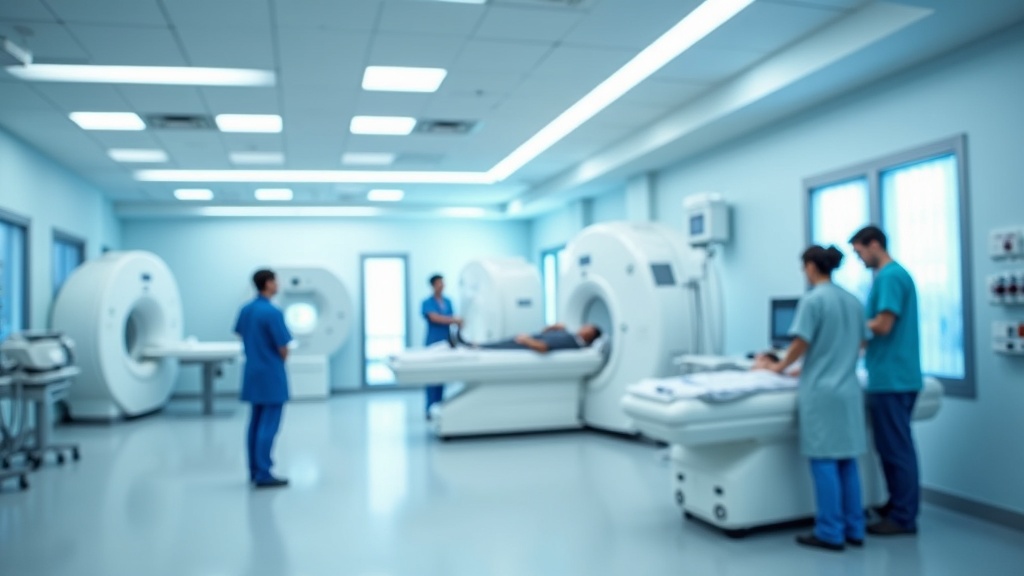
Diagnostic imaging is an essential part of modern medicine, allowing doctors to see inside your body without making any incisions. It helps in diagnosing illnesses and planning treatments by providing detailed images of the structures and functions within the body.
What is Diagnostic Imaging?
Diagnostic imaging refers to the use of various techniques to create visual representations of the inside of a body for clinical analysis and medical intervention. These techniques help healthcare providers diagnose conditions, inform treatment decisions, and monitor progress over time.
Common Types of Diagnostic Imaging
Some common types include:
- X-ray: A quick method often used to view bones, detect fractures, or identify infections.
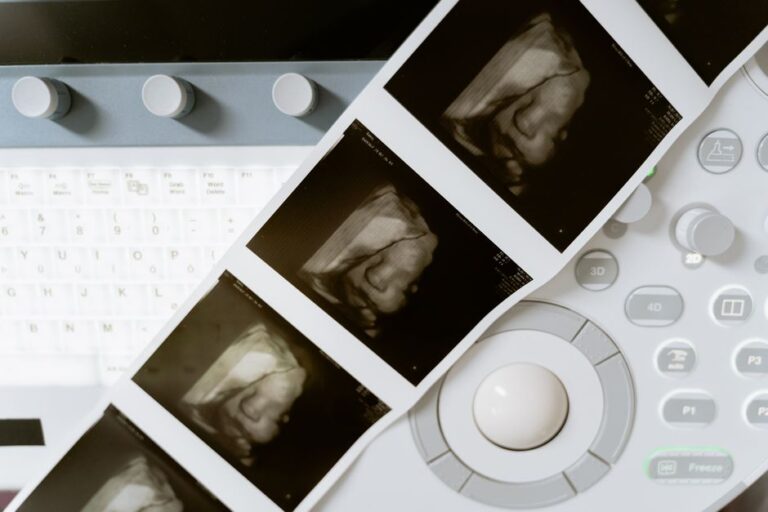
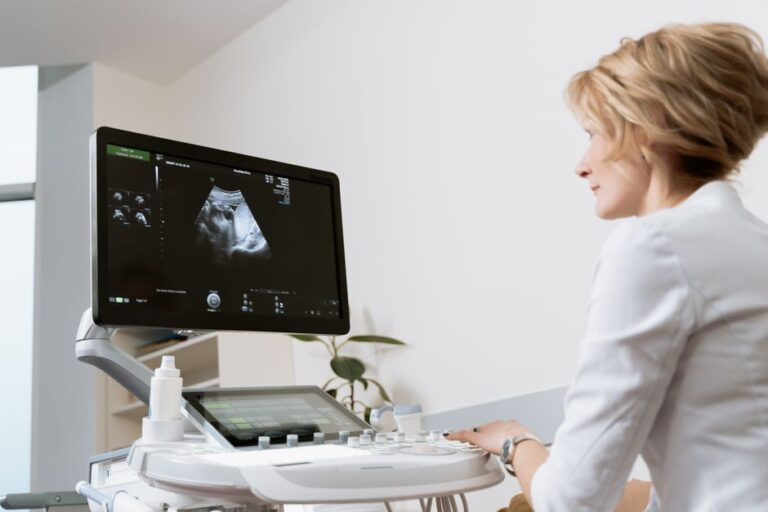
- Ultrasound: Uses sound waves to produce images of soft tissues like organs, blood vessels, and tissues within the body.
- Computed Tomography (CT) Scan: Combines multiple X-ray images taken from different angles to create cross-sectional images of bones and soft tissues.
- Magnetic Resonance Imaging (MRI) Scan: Uses powerful magnets and radio waves to produce detailed images of organs and tissues.
Understanding MRI and CT Scans
What is an MRI Scan?
An MRI scan uses magnetic fields and radio waves to generate detailed images of organs and tissues. Unlike X-rays and CT scans, MRI does not use ionizing radiation.
It is particularly useful for imaging the brain, spinal cord, muscles, and joints, and helps in diagnosing conditions such as tumors, brain disorders, and injuries.
What is a CT Scan?
A CT scan, or computerized tomography scan, uses X-rays to create detailed cross-sectional images of your body. The scanner rotates around your body, taking images from various angles, which are then combined by a computer to create a 3D picture.
CT scans are particularly effective in diagnosing problems within the chest, abdomen, pelvis, and in emergencies due to their speed and detail.
Addressing Common Concerns and Questions
Are MRI and CT Scans Safe?
Both MRI and CT scans are generally safe when performed by qualified professionals. MRI scans do not use ionizing radiation, making them safer for repeated use compared to CT scans. CT scans involve low levels of radiation, so they are used judiciously and only when the benefits outweigh the risks.
Will the Scan Hurt?
Both MRI and CT scans are non-invasive and generally painless. You may experience some discomfort from the position you need to maintain or from loud noises during an MRI, but many facilities provide ear protection or music during the procedure.
How Should I Prepare for the Scan?
Preparation can vary based on the specific scan:
- For MRI: Remove all metal objects such as jewelry, watches, and hearing aids. Inform your technician if you have any metal implants or devices inside your body.
- For CT: You may need to avoid eating or drinking for a few hours before the scan, especially if a contrast dye is used to enhance the images.
How Long Does Each Scan Take?
An MRI scan usually takes 30 to 60 minutes, whereas a CT scan typically takes just a few minutes. In both cases, the actual time you spend may be longer due to preparations and waiting times.
Benefits of Choosing Nucleus Scans
Why Choose Nucleus Scans for Your Imaging Needs?
At Nucleus Scans, we provide state-of-the-art imaging technology and expert radiologists to ensure the best care. Our facility offers:
- Advanced imaging equipment for high-quality images and accurate diagnoses.
- Comfortable and welcoming environment to ease any anxieties.
- Experienced and compassionate staff ready to assist with all your needs.
- Timely and efficient service to reduce waiting times and get you results faster.
Conclusion
Understanding your diagnostic imaging options and what to expect can make the experience smoother and less daunting. MRI and CT scans are powerful tools in modern medicine, providing invaluable insights into your health.
If you have any concerns or questions, our team at Nucleus Scans is here to help. We’re dedicated to providing high-quality care in a supportive and patient-friendly environment.
Call to Action
Ready to take charge of your health? Contact Nucleus Scans today to schedule your diagnostic imaging appointment and experience care designed around your needs. Our expert team is here to support you every step of the way.