Book Appointment Now

Understanding Diagnostic Imaging: Making Informed Health Decisions
Learn how diagnostic imaging like MRI, CT, and X-rays can help detect health issues early, ensuring better outcomes for your well-being.
What is Diagnostic Imaging?
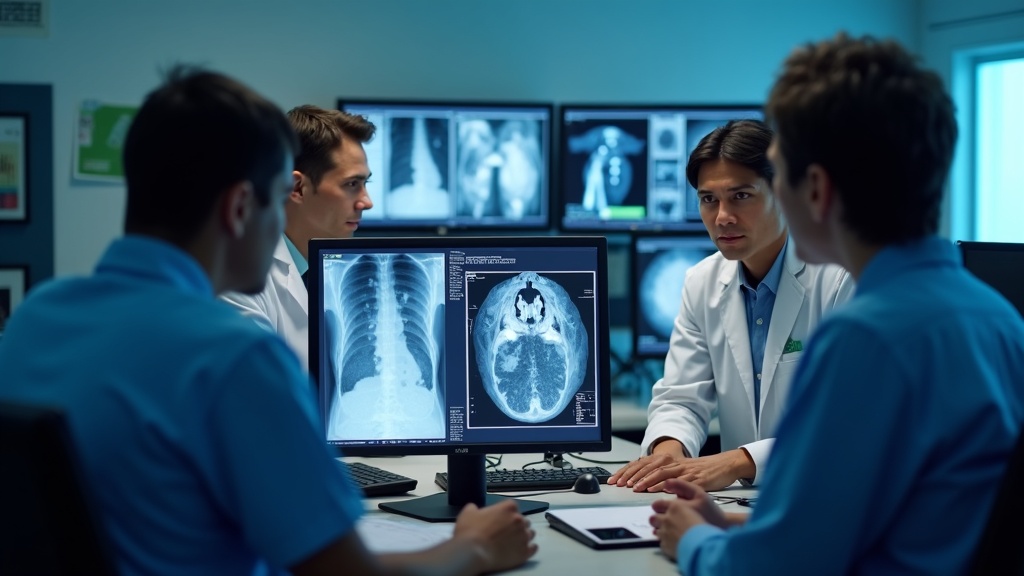
Diagnostic imaging is a powerful tool used by healthcare professionals to look inside the human body without having to make an incision. This branch of medical science includes a variety of techniques such as MRI scans, CT scans, X-rays, and ultrasounds, which help in diagnosing diseases, assessing injuries, and planning treatment.
Understanding MRI Scans
MRI, or Magnetic Resonance Imaging, is a type of diagnostic scan that uses a powerful magnetic field and radio waves to create detailed images of organs and tissues inside the body. Unlike X-rays or CT scans, MRI does not use radiation, making it a safer option for repeated use.
It’s often used for examining the brain and spinal cord, joints and muscles, and sometimes, soft tissues in other parts of the body.
Understanding CT Scans
CT, or Computed Tomography, is a diagnostic imaging procedure that uses a combination of X-rays and computer technology to produce cross-sectional images of the body. This type of scan is particularly useful for detecting diseases or injuries to bones, organs, and blood vessels.
CT scans are often faster than MRIs and can be very useful in emergencies where quick information is critical.
Why Would My Doctor Recommend a Scan?
Your doctor might recommend a diagnostic scan to gain insights that can’t be obtained through a physical exam alone. Common reasons include:
- Clarifying Symptoms: Helping to identify the cause of unexplained symptoms such as persistent headaches, pain, or swelling.
- Injury Assessment: Providing detailed images for sports injuries or trauma.
- Monitoring Treatment Response: Observing how a disease or injury responds to treatments.
- Screening for Diseases: Offering early detection for conditions like strokes or tumors.
Common Patient Concerns
Undergoing a diagnostic scan can often prompt several questions and concerns:
Is It Safe?
Yes, these scans are safe when conducted correctly. MRI scans do not use ionizing radiation, while CT scans use low doses of radiation. Healthcare providers ensure that the benefits far outweigh the risks.
Will It Hurt?
Diagnostic imaging tests themselves are painless. You might experience some discomfort from having to stay still during the procedure, but staff will help you remain comfortable.
How Should I Prepare?
Preparation varies depending on the type of scan. Generally, you may be asked to wear loose clothing, remove any metal objects, and sometimes refrain from eating for a few hours prior. Your healthcare provider will provide detailed instructions based on your specific situation.
Benefits of Choosing Nucleus Scans
At Nucleus Scans, we pride ourselves on delivering high-quality diagnostic imaging services. Here are some advantages of choosing us for your scan:
- Experienced Professionals: Our team of radiologists and technicians are highly experienced and dedicated to providing the best care.
- State-of-the-Art Technology: We use the latest imaging equipment to ensure accurate and reliable results.
- Comfortable Environment: Our facilities are designed to make your experience as comfortable as possible.
- Comprehensive Services: We offer a wide range of imaging services to meet your specific health care needs.
- Patient-Centered Care: We prioritize clear communication and compassionate service, ensuring you understand every step of your diagnostic journey.
Book Your Diagnostic Imaging Appointment Today
Understanding your health is the first step to taking control of it. If you or your healthcare provider believe a diagnostic scan is necessary, we encourage you to make an informed decision and choose Nucleus Scans.
Our team is here to assist you through every phase of the process, from preparation to the delivery of your results. Contact us today to schedule your diagnostic imaging appointment and take the next step towards better health.